
 Cart is empty
Introduction
A cough and cold are among the most common seasonal health concerns affecting people of all ages. Changes in weather, exposure to cold air, seasonal transitions, and environmental factors can lead to symptoms such as coughing, sneezing, congestion, sore throat, and fatigue.
For centuries, Ayurveda has offered natural wellness practices that utilize herbs, spices, and ingredients commonly found in the kitchen. These traditional remedies are often used to promote comfort and support the body’s natural defenses during seasonal discomfort.
In this guide, we’ll explore 10 Ayurvedic home remedies for cough and cold that have been traditionally used in households across India and are now gaining worldwide attention for their simplicity and natural approach.
Understanding Cough and Cold Through Ayurveda
According to Ayurveda, seasonal respiratory discomfort is often associated with an imbalance in Kapha Dosha. Kapha is linked to mucus, heaviness, and congestion. When Kapha accumulates, individuals may experience symptoms such as:
- Runny nose
- Chest congestion
- Productive cough
- Sneezing
- Heaviness in the head
- Fatigue
Ayurvedic practices focus on supporting balance through warming herbs, nourishing drinks, proper rest, and seasonal wellness habits.
1. Ginger Tea
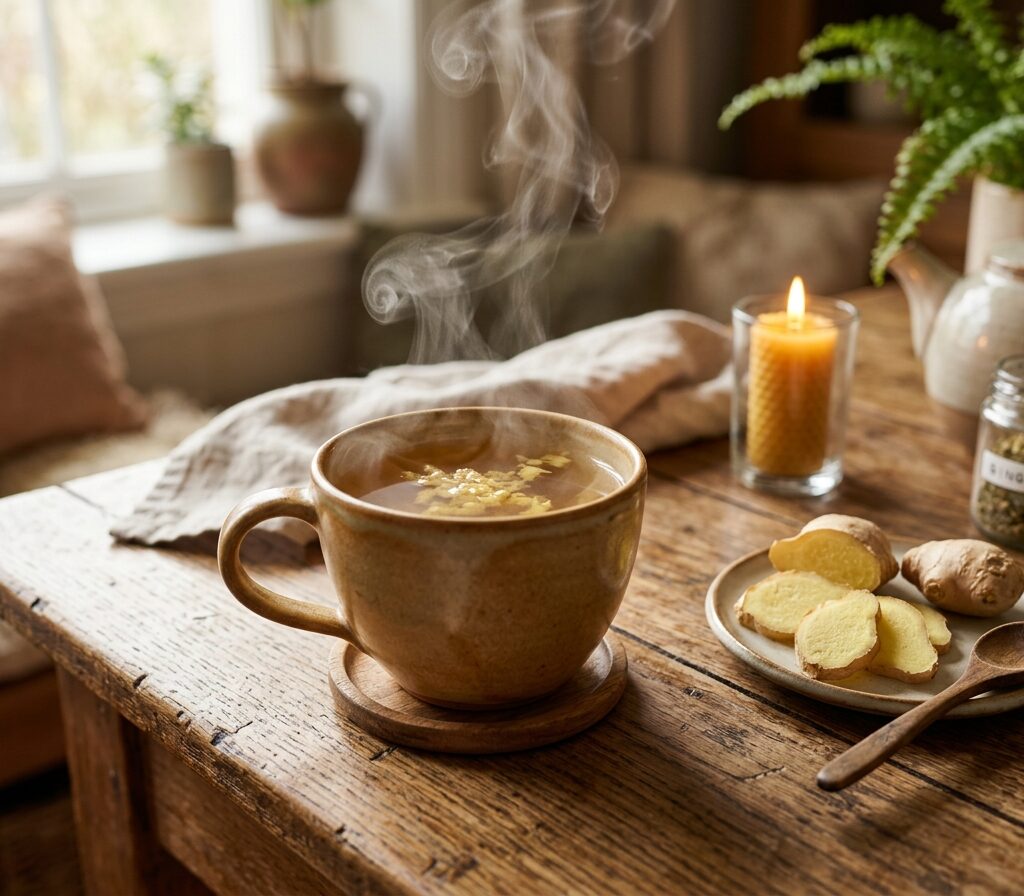
Ginger is one of the most widely used ingredients in Ayurvedic wellness traditions. It is often enjoyed as a warm tea during seasonal changes.
How to Prepare
Ingredients:
- 1-inch fresh ginger root
- 2 cups water
- Optional honey
Instructions:
- Slice the ginger into small pieces.
- Boil in water for 10 minutes.
- Strain and allow to cool slightly.
- Add honey if desired.
Traditional Benefits
- Provides warmth and comfort
- Supports throat comfort
- Commonly used during cold weather
- Popular in seasonal wellness routines
2. Tulsi Herbal Infusion
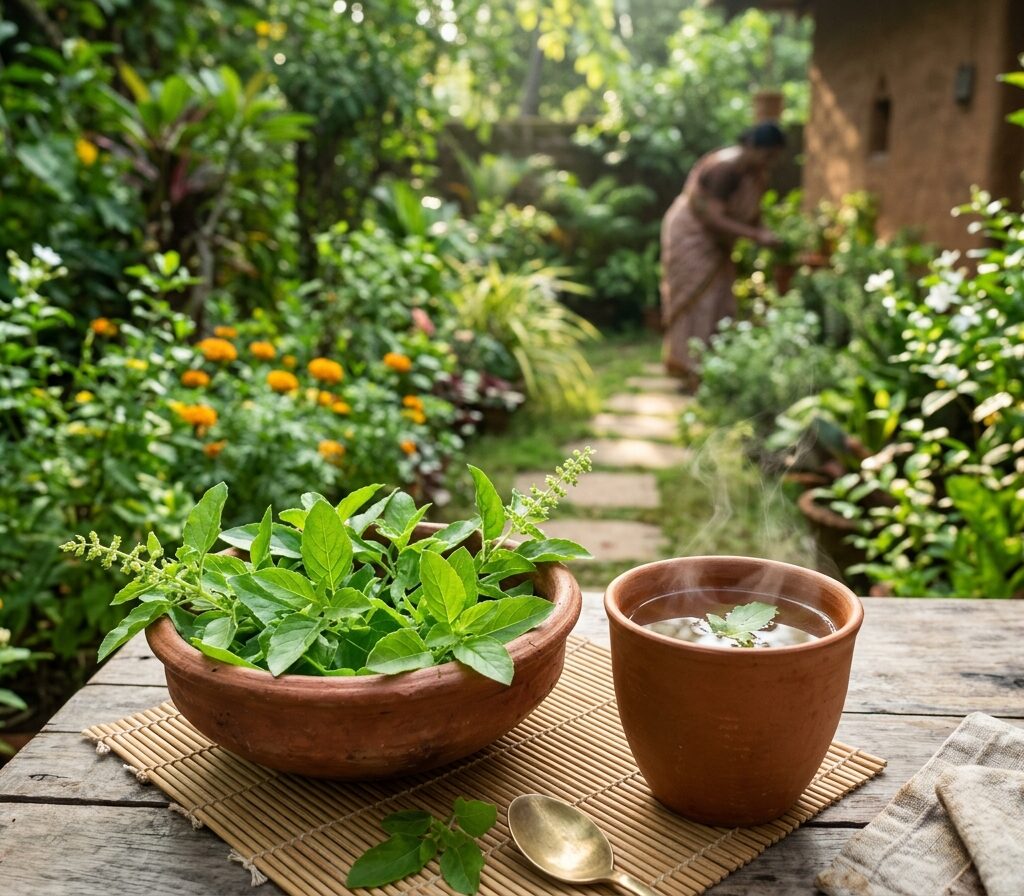
Tulsi, often called Holy Basil, holds a special place in Ayurvedic traditions. It has been used for generations in herbal beverages and wellness practices.
How to Prepare
Ingredients:
- 10–15 fresh Tulsi leaves
- 2 cups water
Instructions:
- Boil water.
- Add Tulsi leaves.
- Simmer for 5–7 minutes.
- Strain and enjoy warm.
Traditional Benefits
- Frequently used during seasonal changes
- Popular in daily wellness rituals
- Commonly consumed during cooler months
3. Turmeric Milk (Golden Milk)

Turmeric milk, commonly known as Golden Milk, is one of the most recognized Ayurvedic wellness beverages. For generations, families have enjoyed this warm drink during seasonal changes and colder months. Turmeric contains curcumin, a natural compound that has made the spice popular in traditional wellness practices around the world.
In Ayurveda, turmeric is valued for its warming qualities and is often incorporated into daily routines to support overall well-being. When combined with warm milk and black pepper, it creates a comforting beverage that many people enjoy before bedtime.
Ingredients
- 1 cup milk (or plant-based milk)
- ½ teaspoon turmeric powder
- A pinch of black pepper
- Optional: ½ teaspoon honey (add after cooling slightly)
Preparation Method
- Pour the milk into a small saucepan.
- Add turmeric powder and black pepper.
- Heat gently while stirring continuously.
- Avoid boiling excessively.
- Remove from heat after 3–5 minutes.
- Allow to cool slightly before drinking.
- Add honey if desired.
Traditional Ayurvedic Perspective
According to Ayurvedic traditions, warming beverages are often preferred during periods of seasonal discomfort. Turmeric is considered a valuable spice that can be incorporated into daily wellness routines. Black pepper is traditionally added because it complements turmeric and enhances the overall preparation.
How It Is Traditionally Used
Many households enjoy Golden Milk:
- Before bedtime
- During colder weather
- As part of a seasonal wellness routine
- After long days to promote comfort and relaxation
Wellness Tips
For an even richer beverage, some people add:
- Cinnamon
- Cardamom
- Fresh ginger
- Saffron
These spices not only enhance the flavor but also create a more traditional Ayurvedic preparation.
Precautions
While turmeric is commonly used in cooking and wellness drinks, individuals with medical conditions or those taking medications should consult a healthcare professional before significantly increasing turmeric consumption.
4. Honey and Black Pepper Mixture
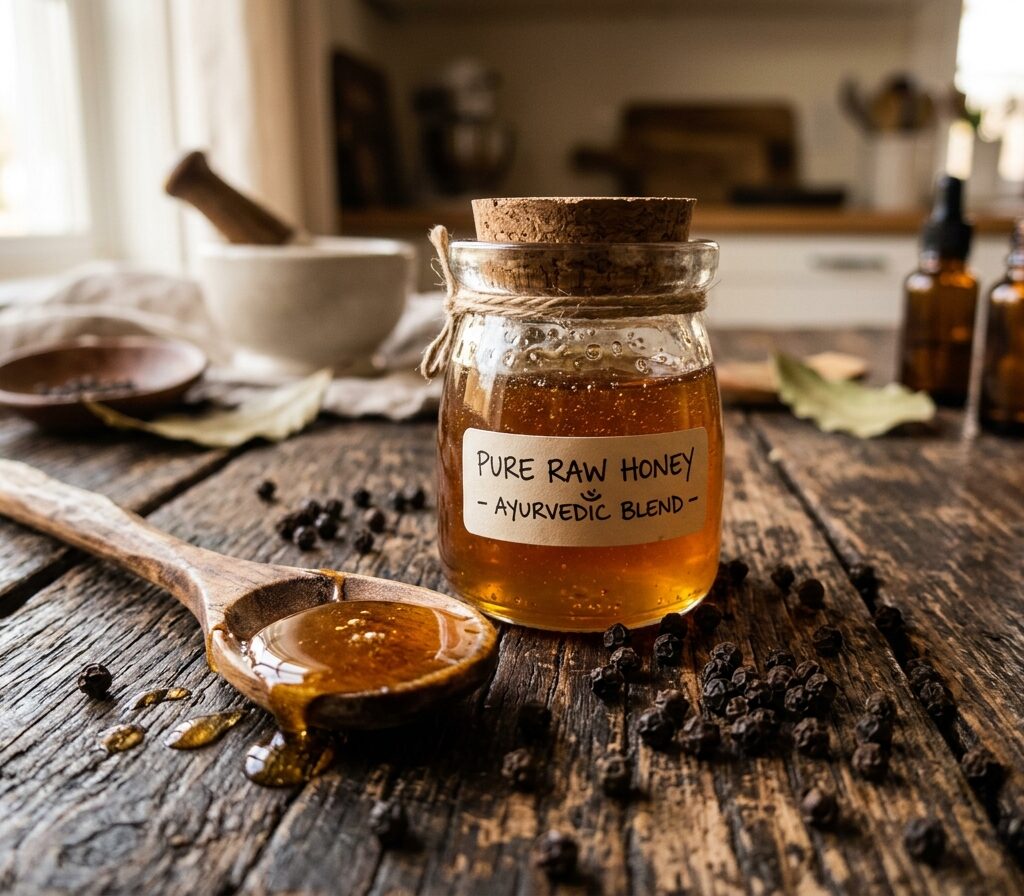
Honey and black pepper are commonly found in traditional household wellness recipes.
How to Prepare
Ingredients:
- 1 teaspoon honey
- Pinch of freshly ground black pepper
How to Prepare
Ingredients:
- 1 teaspoon honey
- Pinch of freshly ground black pepper
5. Steam Inhalation with Herbal Ingredients
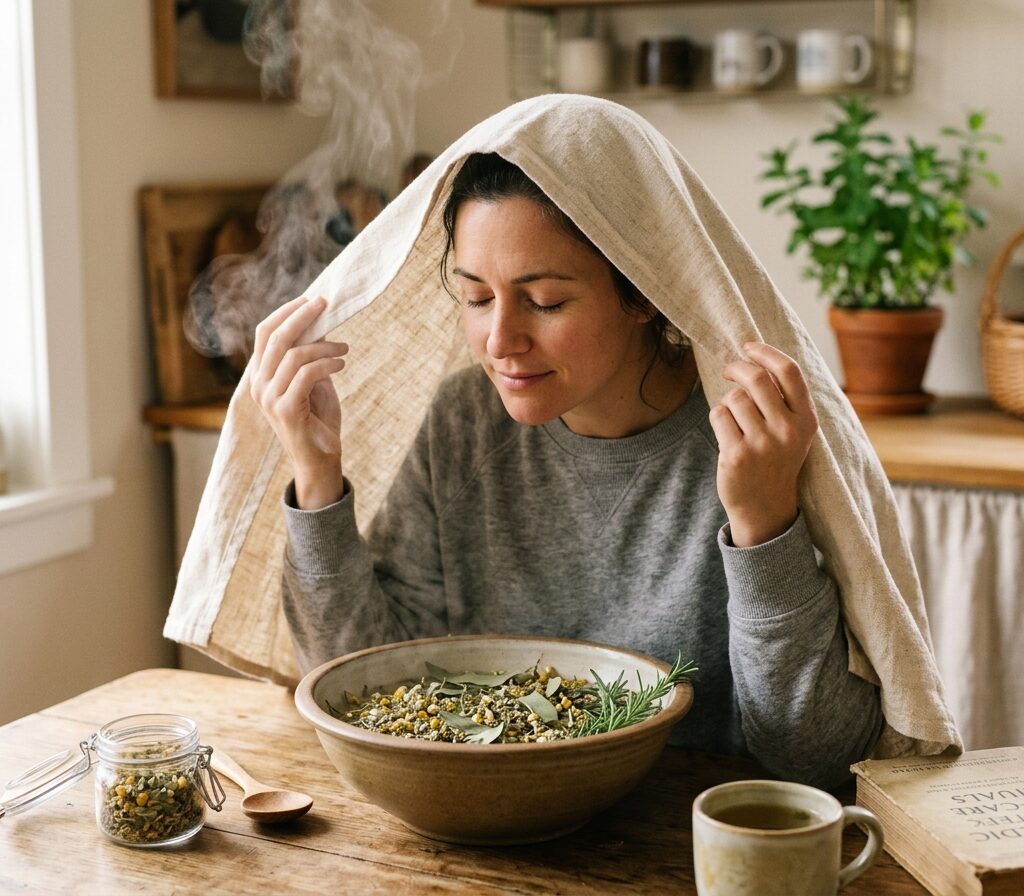
Warm steam has long been used as a comforting practice during seasonal congestion.
How to Prepare
Ingredients:
- Hot water
- Optional Tulsi leaves
- Optional eucalyptus leaves
Instructions:
- Pour hot water into a large bowl.
- Add herbs if desired.
- Cover head with towel.
- Carefully inhale steam.
Traditional Benefits
- Provides soothing warmth
- Supports comfort during congestion
- Common seasonal wellness practice
6. Cinnamon Herbal Tea
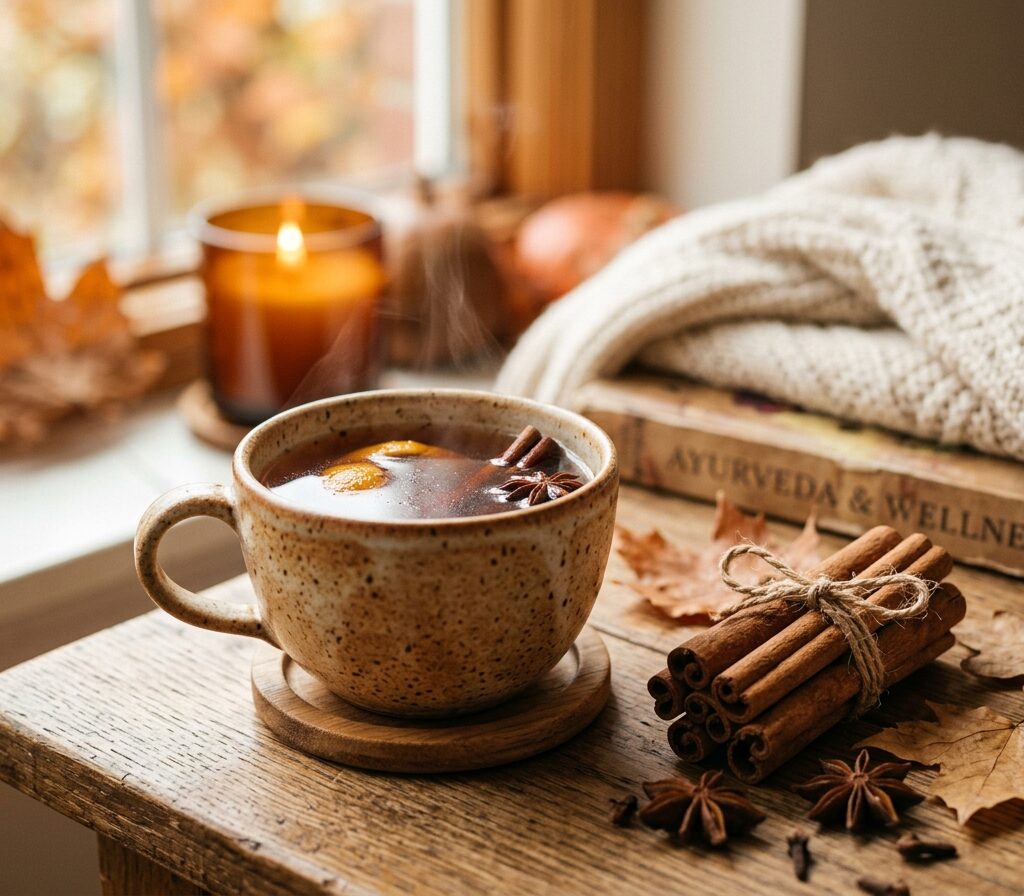
Cinnamon is another warming spice widely used in Ayurvedic kitchens.
How to Prepare
Ingredients:
- 1 cinnamon stick
- 2 cups water
Instructions:
- Boil cinnamon in water.
- Simmer for 10 minutes.
- Strain and serve warm.
Traditional Benefits
- Warming seasonal beverage
- Frequently included in herbal tea blends
- Pleasant aroma and flavor
How to Prepare
Ingredients:
- 1 cinnamon stick
- 2 cups water
Instructions:
- Boil cinnamon in water.
- Simmer for 10 minutes.
- Strain and serve warm.
Traditional Benefits
- Warming seasonal beverage
- Frequently included in herbal tea blends
- Pleasant aroma and fl
How to Prepare

Ingredients:
- Warm water
- Half teaspoon salt
Instructions:
- Dissolve salt in warm water.
- Gargle for several seconds.
- Repeat as needed.
Traditional Benefits
- Common household wellness practice
- Often used for throat comfort
- Easy and inexpensive
8. Clove and Ginger Herbal Drink
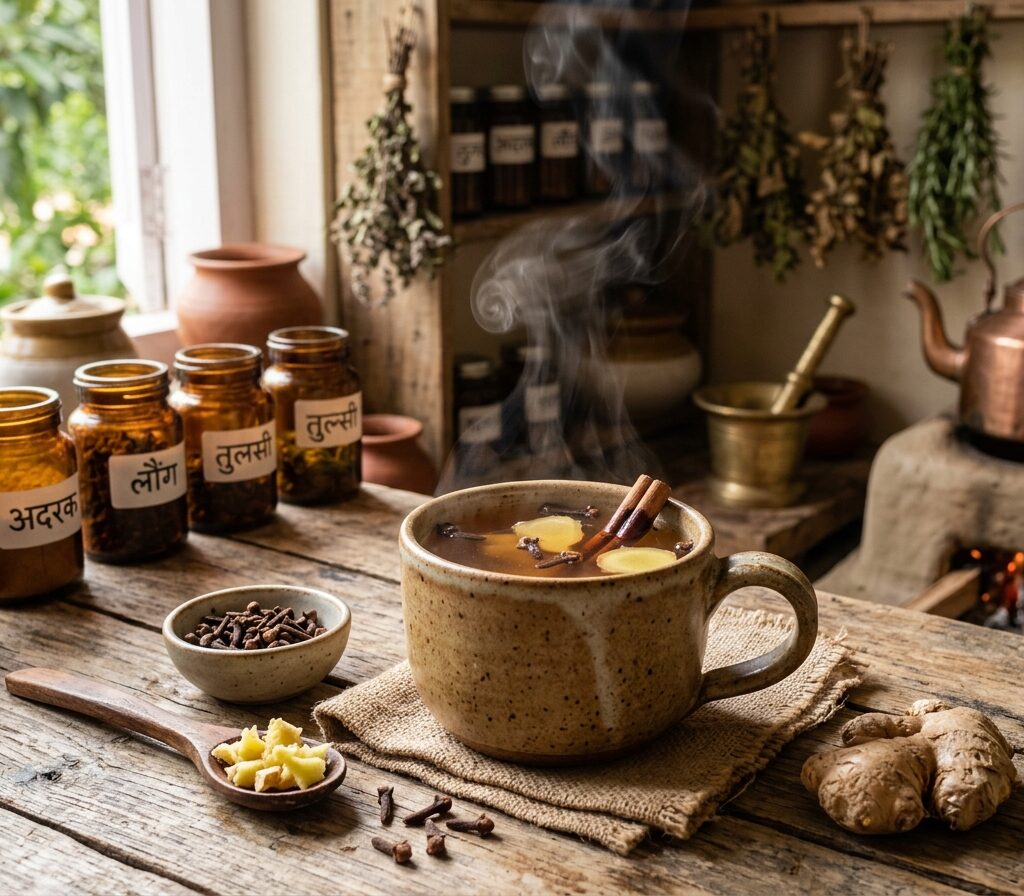
Cloves and ginger have long been used together in traditional herbal preparations.
How to Prepare
Ingredients:
- 2 cloves
- Small piece ginger
- 2 cups water
Instructions:
- Boil ingredients together.
- Simmer for 10 minutes.
- Strain and enjoy warm.
Traditional Benefits
- Aromatic herbal beverage
- Traditional seasonal wellness drink
- Popular during colder weather
9. Warm Water Throughout the Day

Ayurveda places great importance on warm water as part of daily wellness routines.
Ayurveda places great importance on warm water as part of daily wellness routines.
Traditional Practice
Many Ayurvedic practitioners recommend sipping warm water throughout the day, especially during colder seasons.
Traditional Benefits
- Supports hydration
- Comforting during cool weather
- Encourages mindful wellness habits
10. Rest and Proper Sleep

One of the most important yet often overlooked wellness practices is adequate rest.
Why Rest Matters
During periods of seasonal discomfort, allowing the body sufficient time to recover can support overall well-being.
Wellness Tips
- Sleep 7–9 hours
- Stay hydrated
- Avoid excessive stress
- Maintain a balanced diet
Additional Ayurvedic Lifestyle Tips
In addition to these traditional remedies, Ayurveda encourages healthy daily habits:
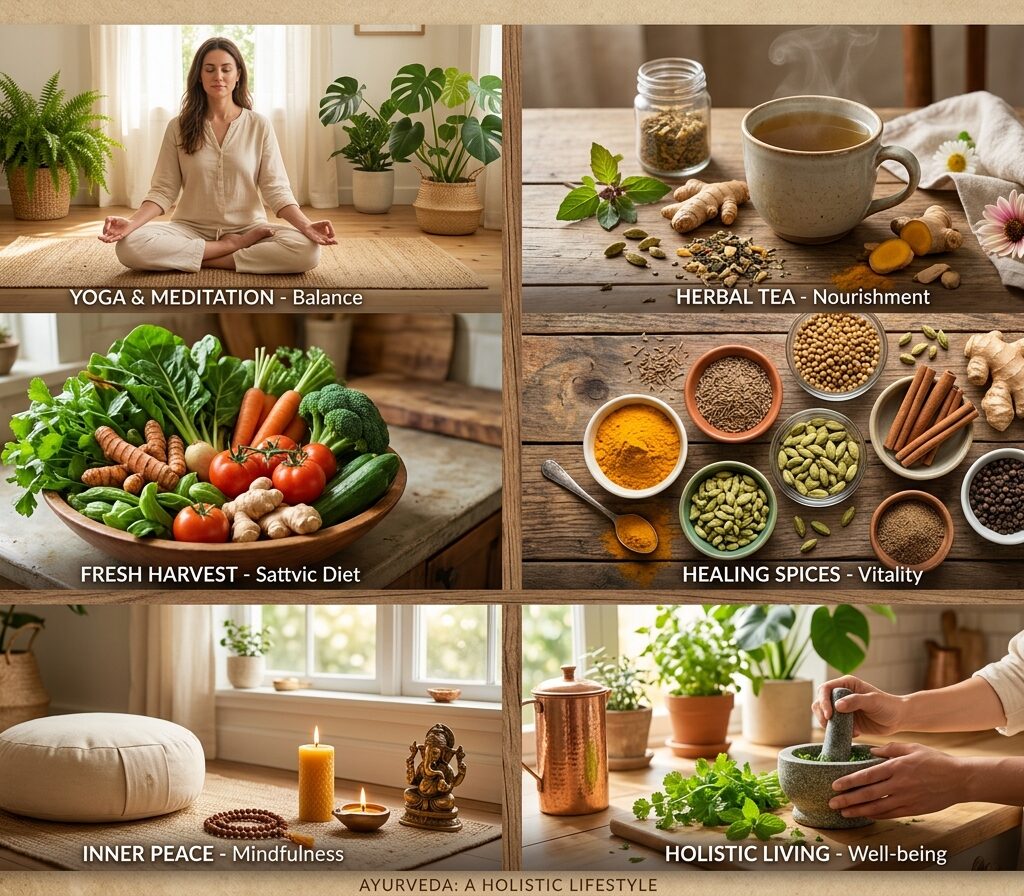
- Eat freshly prepared meals.
- Include warming spices in cooking.
- Stay hydrated.
- Practice gentle yoga.
- Spend time outdoors when appropriate.
- Follow a regular sleep schedule
Conclusion
Ayurveda offers a rich tradition of natural wellness practices that have been passed down through generations. Remedies such as ginger tea, Tulsi infusion, turmeric milk, steam inhalation, and warming herbal beverages continue to be valued in many households as part of seasonal wellness routines.
While these traditional practices are widely used, individual experiences may vary. Maintaining healthy habits, proper hydration, nutritious meals, and adequate rest remain essential components of overall well-being.
By incorporating these simple Ayurvedic home remedies into your wellness routine, you can embrace traditional wisdom while supporting a balanced and healthy lifestyle.
Frequently Asked Questions
What is the most popular Ayurvedic remedy for seasonal cough and cold?
Ginger tea and Tulsi tea are among the most commonly used traditional remedies.
Can I drink turmeric milk every day?
Many people include turmeric milk as part of their regular wellness routine.
Why is Tulsi important in Ayurveda?
Tulsi has been valued for centuries and is commonly used in Ayurvedic wellness practices.
Is warm water recommended in Ayurveda?
Warm water is traditionally encouraged as part of daily wellness habits.
Are Ayurvedic remedies a replacement for medical care?
No. Ayurvedic remedies are wellness practices and should not replace professional medical advice or treatment.
Disclaimer
This article is intended for informational and educational purposes only. It is not medical advice and should not be used to diagnose, treat, cure, or prevent any disease. Consult a qualified healthcare professional before making changes to your wellness routine, especially if you are pregnant, nursing, have a medical condition, or are taking medications.